
Alexis Greene (1946-2026)
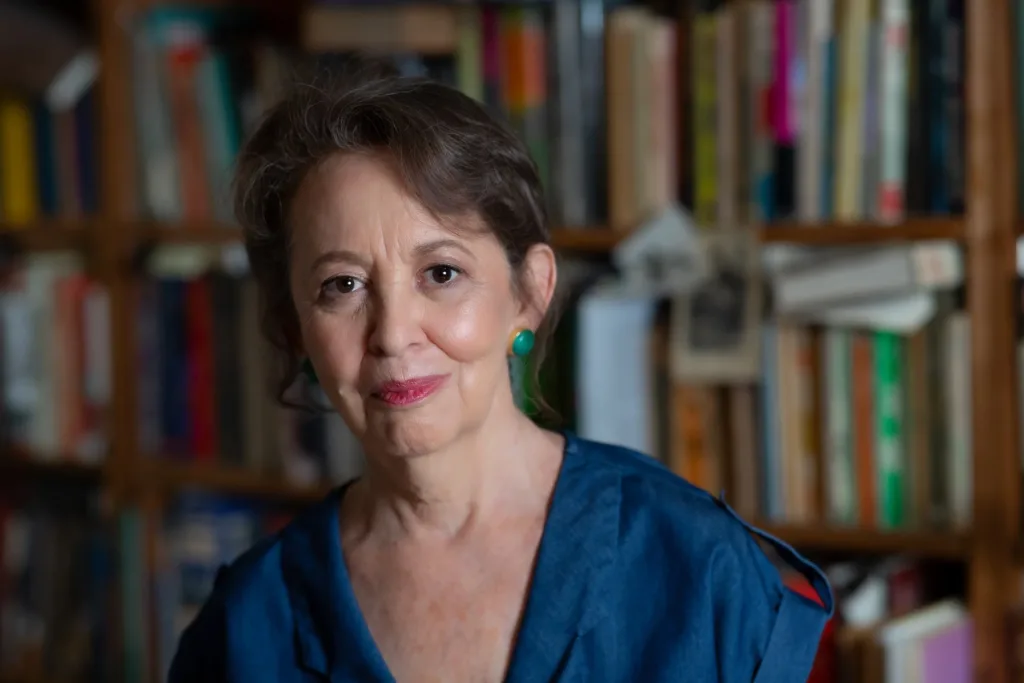
Alexis died on September 10, having suffered from ALS. She had had some symptoms prior to being diagnosed last November. Her mind was excellent until the end. She enjoyed the visits of friends and family throughout her illness, but she suffered in every physical way – her breathing crises were frequent, her pain was nearly constant, she could not walk or stand on her own, nor eat nor swallow nor speak. The treatments to slow her symptoms had minimal if any effect. The disease won, as it always does with ALS.
Her life’s work was about and for women in the theater. I would like to take a moment to reflect upon this. She was a dedicated and passionate historian and scholar, an author or editor of eleven books and many articles on the theater, a reviewer of productions on Broadway and in every other venue where plays are staged in NYC, a Tony Award voter, a co-founder of Literary Managers and Dramaturgs of America, a site visitor for the National Endowment for the Arts, a member of the board of the League of Professional Theater Women, and a teacher of theater at NYU, City University, and the University of Bridgeport. She was withal a vibrant personality, an eager gardener — and a wonderful cook. I am blessed that she was my ever-so-loving wife for nearly forty years.
May you rest in peace, dear Alexis, and may flights of angels sing thee to thy rest.
Gordon Hough
Over forty years ago I talked and corresponded at length with Alexis Greene as part of the founding of LMDA. She invited me to speak with many others from across the country at the first conference in 1986 at New Dramatists. We intersected through Alexis’s LMDA leadership and her writing of many major books that reflect her immense curiosity about our field and the world. In the forty years since the founding of LMDA she has become a legend. In her a seminal and unique biography on our joint friend Emily Mann, Alexis shared that: “For centuries, the lives of women have been hidden, buried in diaries, letters and the day to day tasks that women undertook but few observed”. Alexis refused to allow the work of fellow women artists to be “buried”. When Alexis interviewed me about my work as a dramaturg with Emily on her play “Execution of Juatice” at The Guthrie Theater and on Broadway in 1986, I was struck by her relentless, fierce curiosity about the behind the scenes Emily and her process. Alexis’s pursuit left me in awe and reminded me of my own obsession with science and the desire for continuous discovery. My friend’s questioning spirit reminded me too of Mary Oliver’s words in her poem “When Death Comes”:
“When it’s over, I want to say: all my life
I was a bride married to amazement…
I don’t want to end up simply having visited this world.”Alexis Greene was never a “tourist” to our world.
Mark Bly
“Women have become recognized as valuable participants,” Greene said, “We’ve come a long way, but we need to join together to create beautiful theatre.”
“Alexis Greene, Oral History” Women in Theatre Journal Online