Dear (Mezzanine Theatre) Diary:An App Review
by Emry Sottile
If you are like me, you might have both the problem and the pleasure of a full dresser of theatre programs, Playbills, posters, and other ephemera, autographed or otherwise. Since I started going to the theatre regularly beginning in middle school, my personal archive keeps amassing material. It’s often hard to keep straight what I’ve seen in a given month when I’ve been to multiple shows in a weekend to catch up on the Chicago theatre scene. Enter Mezzanine Theatre Diary: Part digital dramaturgical diary and part social media platform, Mezzanine is an iOS application that lets its users monitor and track their own and their friends’ theatre-going experiences à la Letterboxd or Serializd (which are the popular social review and discovery platforms for film and television, respectively). While the app was launched five years ago, it has become more visible in the past year, largely through word of mouth, both in-person and online, through some theatre influencers. Given the number of discounted and free student tickets available for storefront, university, and regional productions in Chicago, there’s seldom a week I’m not at the theatre. I’ve been to the theatre 52 times already this year, which Mezzanine lets me see at a glance with a tap or two. So using the application to keep track of what I’ve seen and what I’ve thought about each production has quickly become vital to my academic and creative practice. The basic app is free but has a paid tier (which grants cosmetic changes and the ability to add photos to posts).
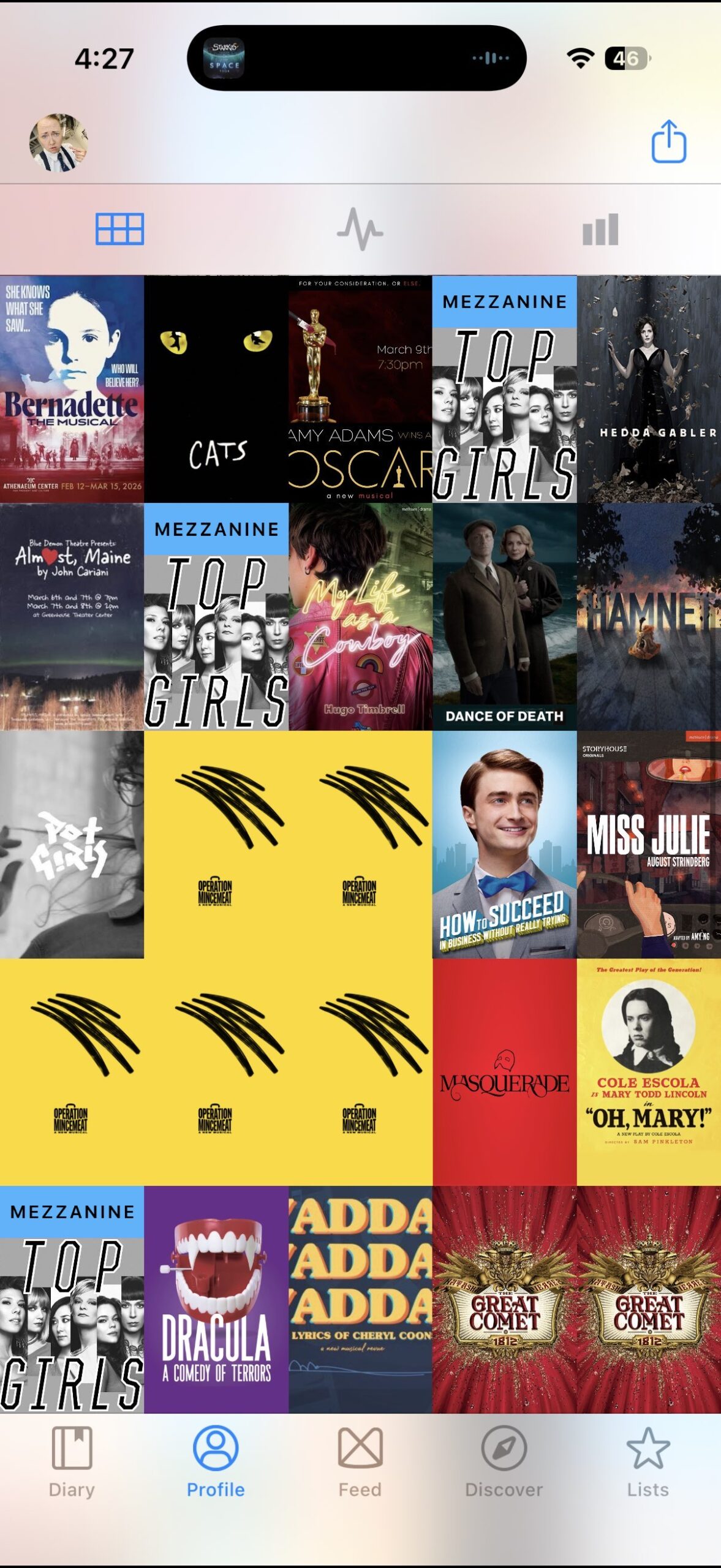
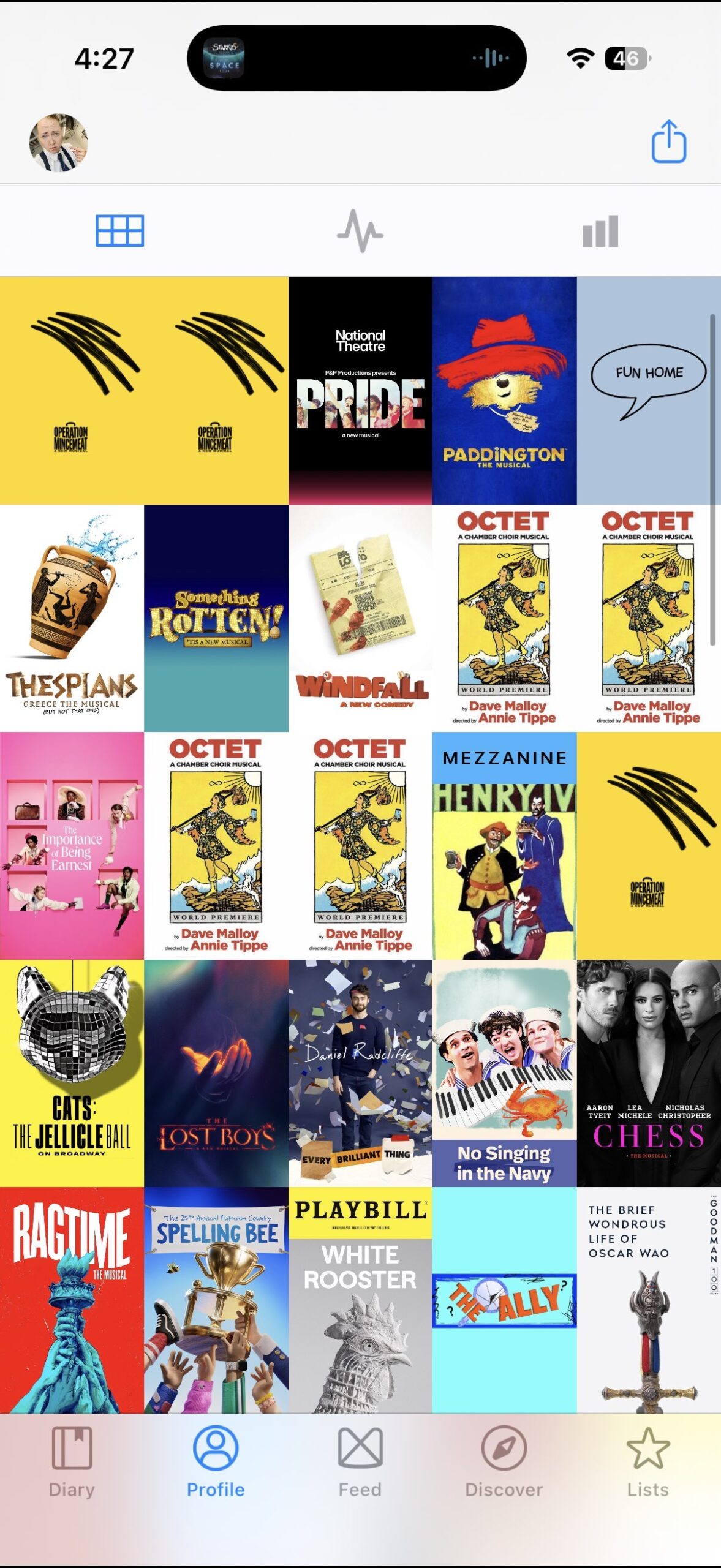
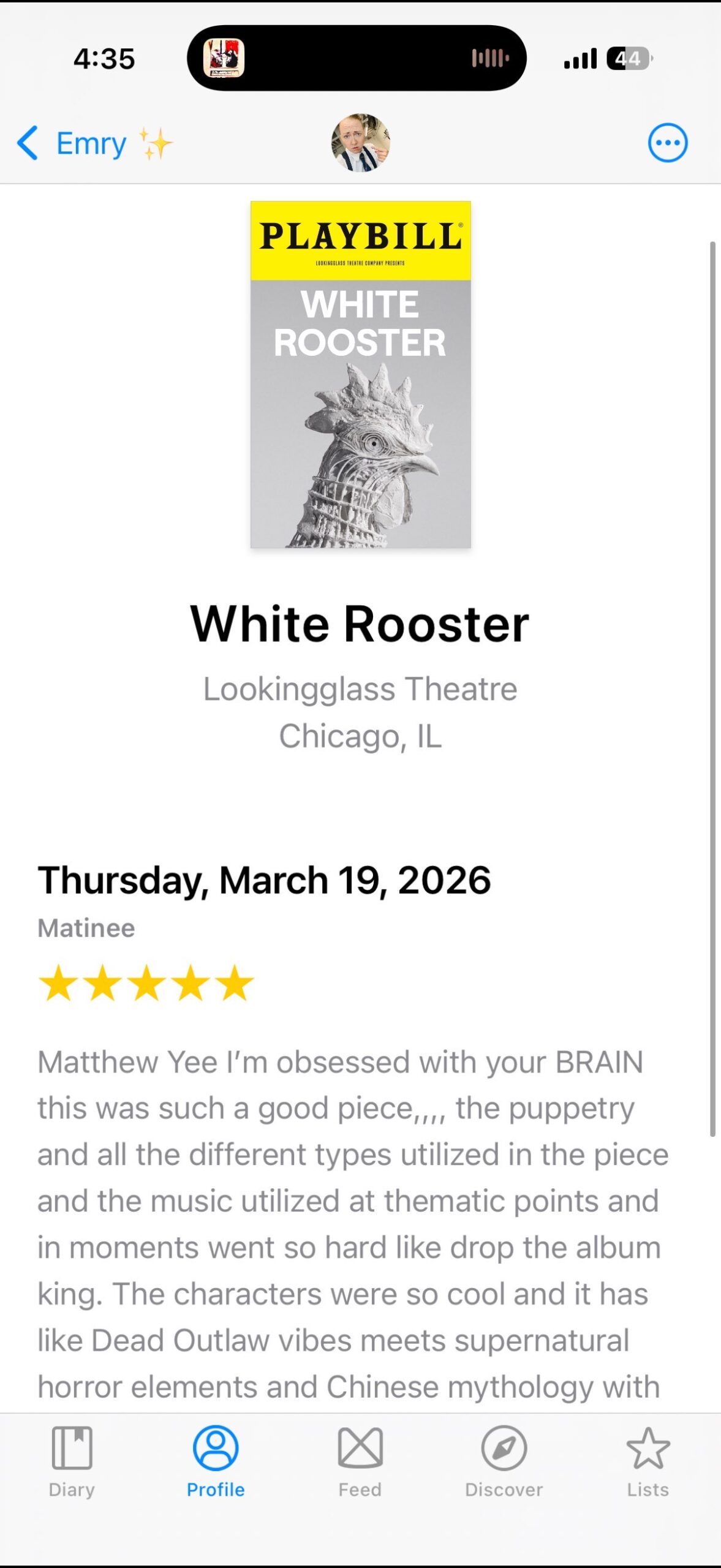
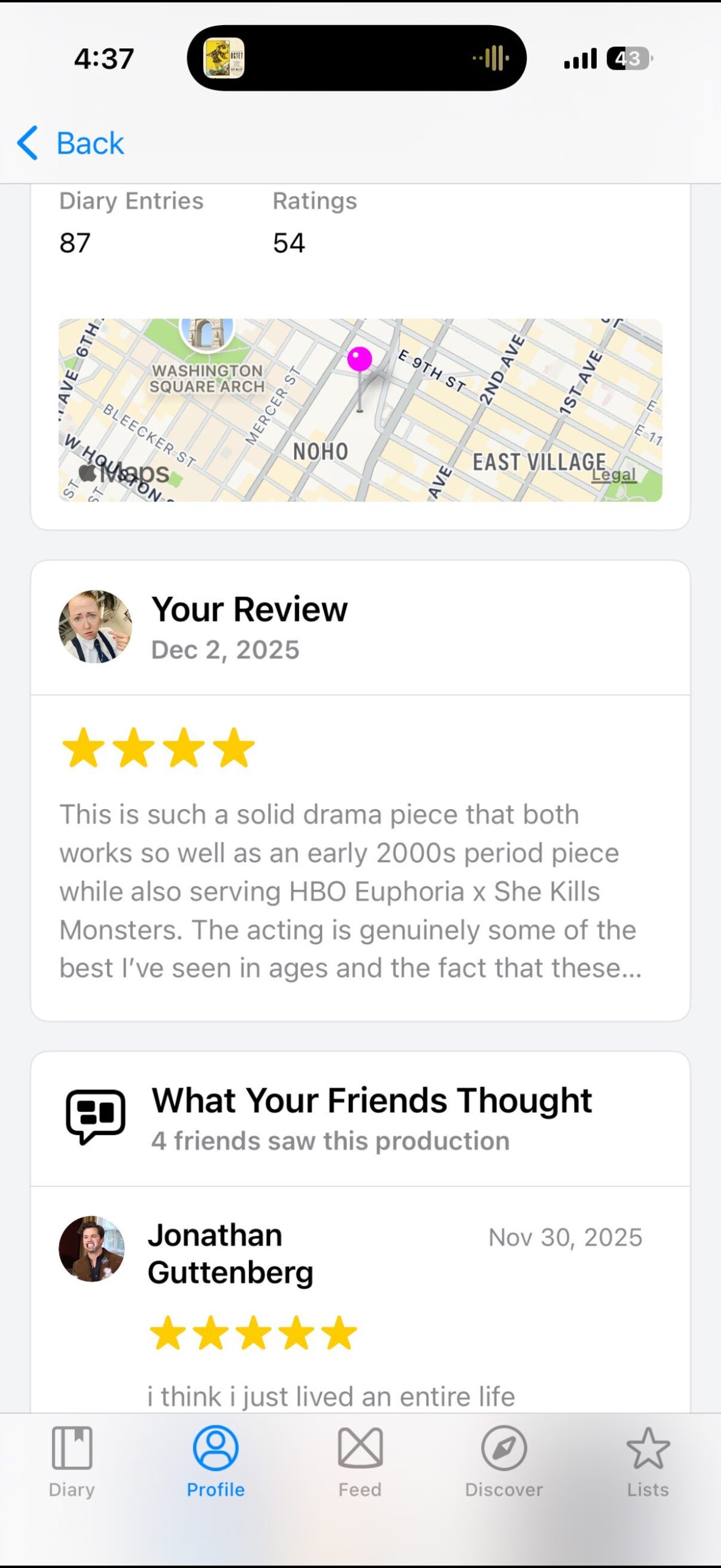
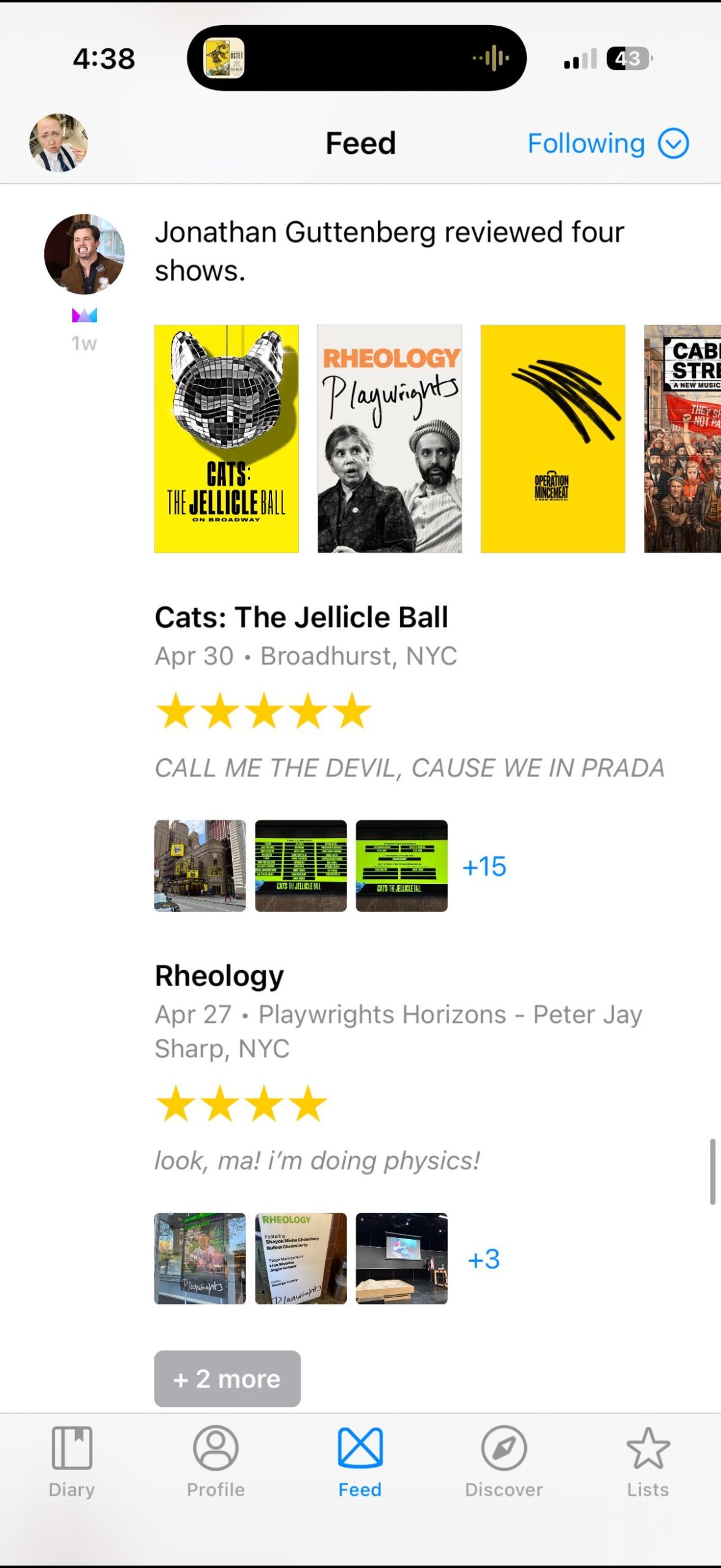
While Mezzanine is by no means a replacement for the physical collections we keep, the app is mobile, so you can access your theatre-going history on the fly. As such, it becomes so much easier to have conversations with the theatre-goers next to me or with friends in the lobby; instead of wracking my brain or rifling through my Playbills I can quickly skim what I’ve seen and what I thought about pieces ranging from what I saw most recently to the “Broadway in Hollywood” shows I’ve backdated in my diary from early 2010s ticket stubs. (“Broadway in Hollywood” presents touring Broadway shows in Los Angeles.) Theatre is both ephemeral and everywhere, so documentation via newspaper, production photos, and social media gives researchers and dramaturgs insight into past productions, but information is often lost. Mezzanine fills in some of those gaps by providing a platform for lay criticism and fan reflection on theatre that feels more modern than the blog and more permanent than a social media story. Some people use the application for more fleshed-out reviews, some post short meme-y comments or jokes, and some don’t review performances at all; users can engage with documentation via Mezzanine in the ways they wish.
One of Mezzanine’s main features that sets it apart from other documentation is that it enables users to document every performance — not just every show — that they attend via its own entry. (For example, I have 10 Operation Mincemeat: A New Musical entries, not just the one.) This flexibility allows “super fans” of particular shows to note more minuscule details, such as ad-libs from an actor’s performance or which swings were on for the ensemble tracks. These small changes and shifts from performance to performance of the same show are some of the details that don’t make their way into press reviews, where one performance is often documented early in a run. Mezzanine, however, can give crowd-sourced information that describes audiences’ reactions to everything from replacement casts in long-running shows to praise for celebrities’ understudies in stunt-cast shows.
While the application currently only auto-populates the most notable shows in major venues (for example, Broadway, West End, Out-of-Town, or Off-Broadway tryouts), it also allows users to add local shows (and their associated cover art). So recommendations and reviews are accessible for locations with small user bases that might otherwise go under- or unreported. Similarly, anyone with iOS access can create an account and leave their thoughts, lowering barriers to entry for lay criticism.
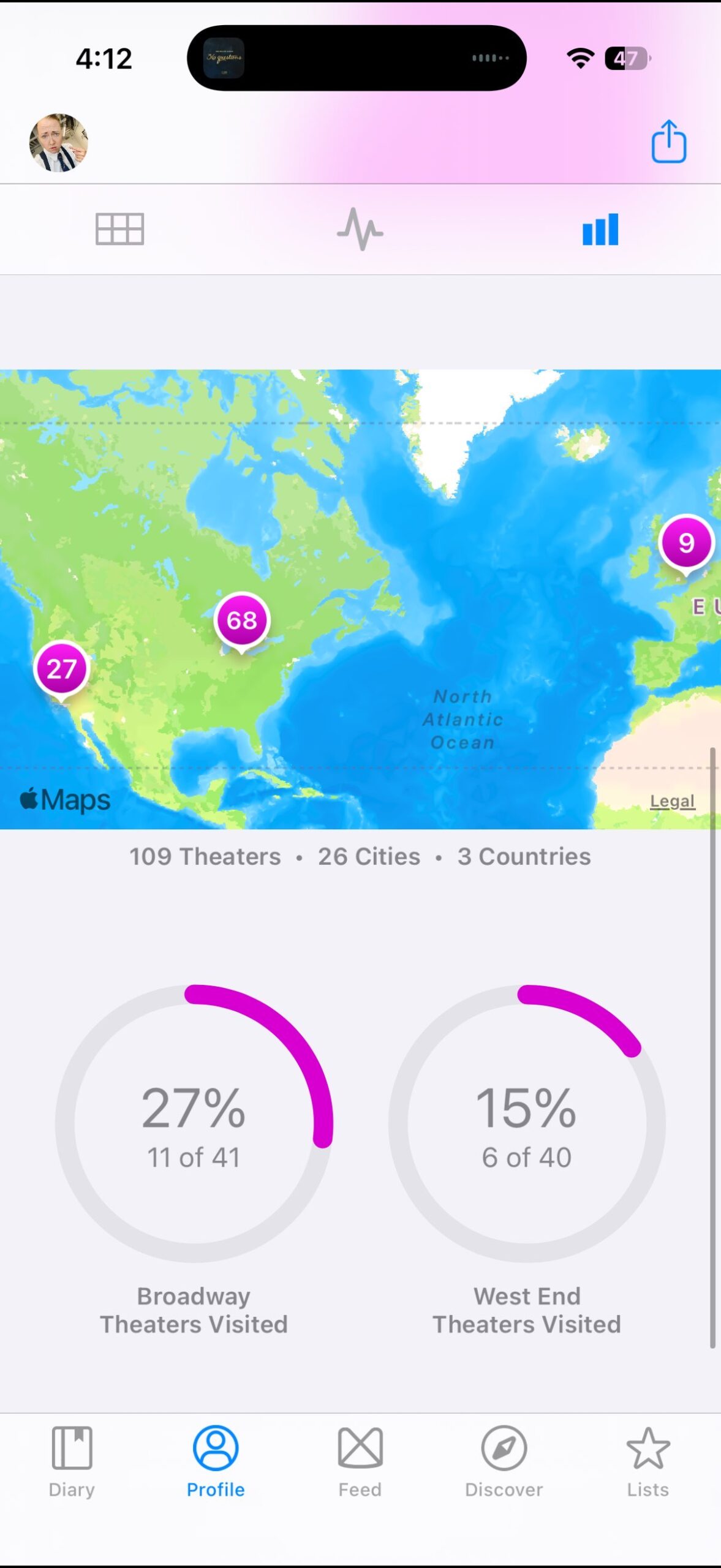
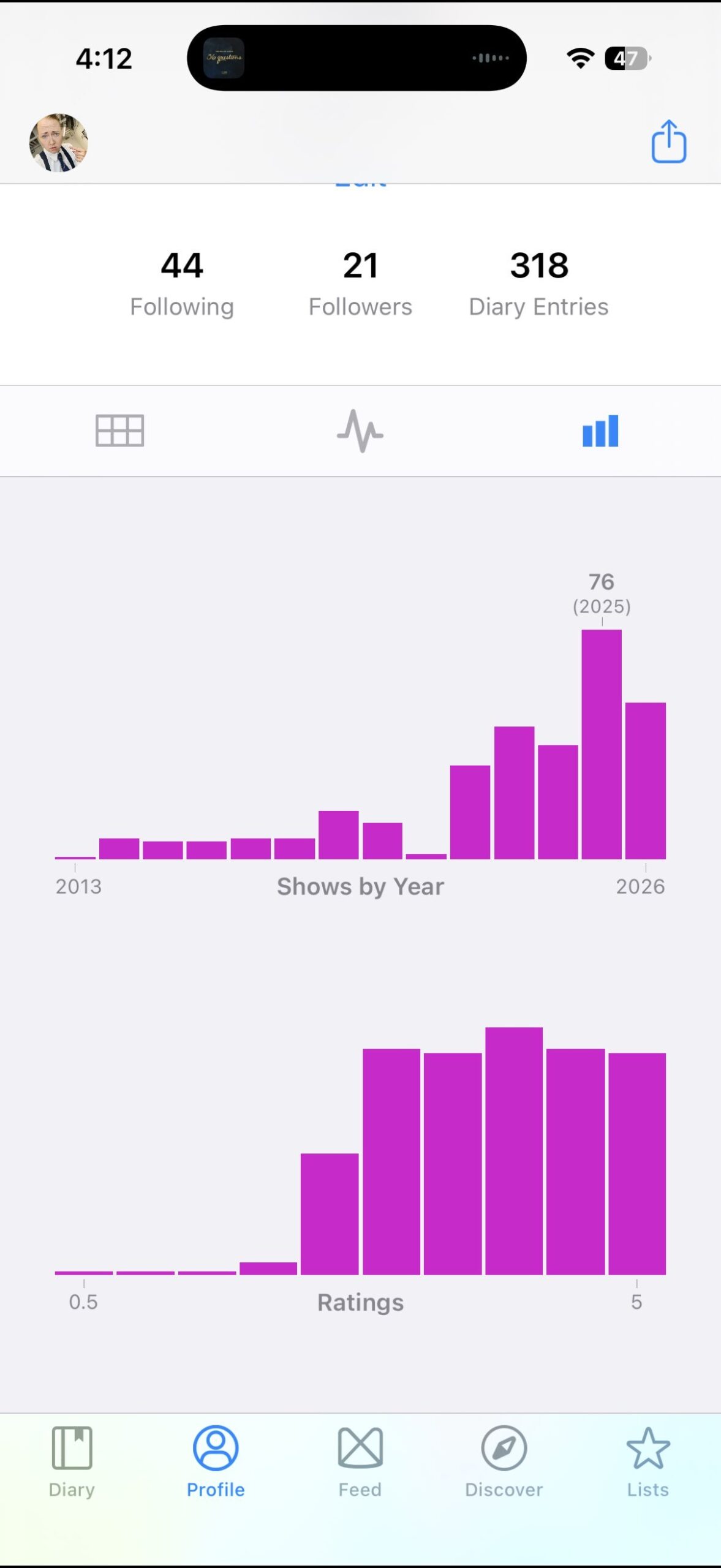
The application also offers visualizations based on users’ diary entries, to track information such as how many theatres they’ve been to all over the world or how many shows they’ve seen from year to year, to get an overall picture of an individual’s theatre-going history. The diary entries also let users add tags, star ratings, private and public notes, and more. While I haven’t used and analyzed Mezzanine as a database yet, there is potential for using its qualitative and quantitative data to crowdsource reception, theatre-going patterns, repeated attendance at specific shows, and more for both digital humanities or theatre and audience research projects. Whether for personal or professional use, Mezzanine provides the theatre-going public with a fairly accessible digital documentation platform, and as the user base grows, so does the database. As such, it will be interesting to see how the space develops over time as it gains more traction. If you do download it and come across a profile named “Emry ✨” with a Natasha Hodgson profile photo… don’t tell my dissertation advisor how much time I spend at the theatre.
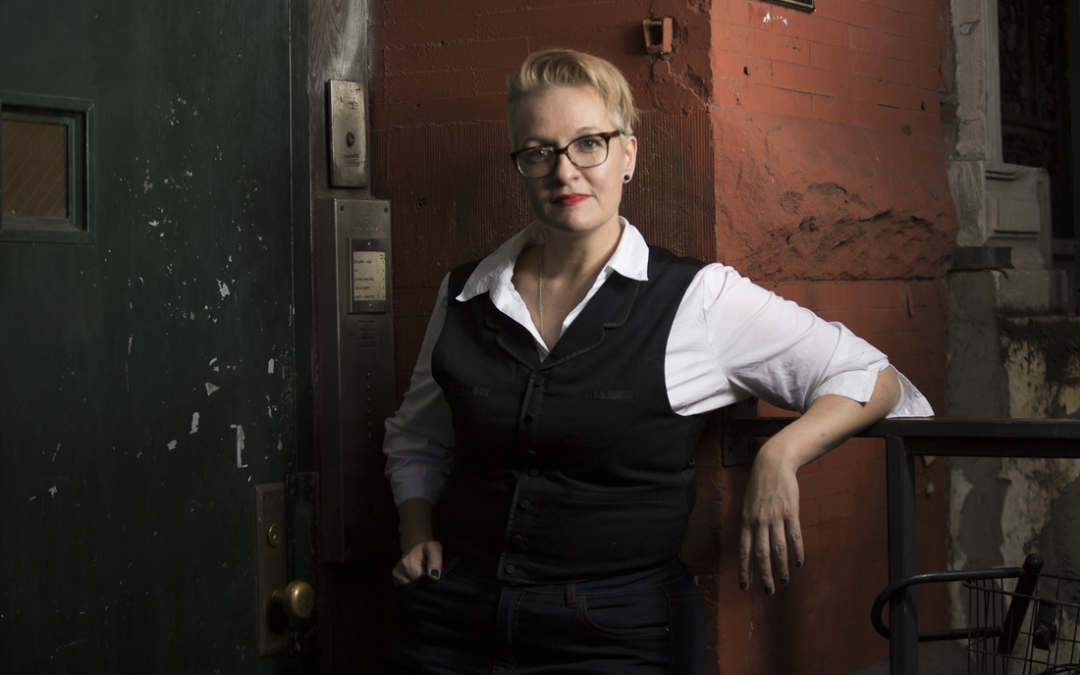
Emry Sottile is a queer non-binary dramaturg, larpwright and theatre educator based in Chicago. They specialize in production and new-work dramaturgy for musical theatre and mainly worked with the The Virginia Wadsworth Wirtz Center for the Performing Arts and American Music Theatre Project. They are currently a PhD candidate in Northwestern University’s Interdisciplinary PhD in Theatre and Drama Program.