Elliott Hayes Award 2026
Leanna Keyes: Hello everyone, my name is Leanna Keyes, one of your three co-editors. Don’t worry, you also get to hear from Lindsey and Angela tonight.
All three of us are so grateful to LMDA for this award, and for everyone who contributed to these three anthologies. As the most spreadsheet-brained member of our trio, I volunteered to compile the list of people to thank. I reached 49 names. Are you ready for this? [deep breath]
Kidding, kidding! Instead of speed-blabbing my way through, I’m going to do the opposite. I’m going to thank one anonymous person. That’s the unknown person who cornered our publisher contact, Dom O’Hanlon, at a theater conference.
They recognized him as the person who had green-lit the first Methuen Drama Book of Trans Plays. They then proceeded to effusively thank him for several minutes, explaining what a difference our anthology of trans plays by trans people about trans people had made in their life and the lives of their community. Dom came away incredibly moved by this person, whoever they are. He immediately reached out to us to put together a second volume. That second volume turned into the third volume when we received too many plays that were just too good to leave out.
One passionate nerd sharing their love of theater and dramatic analysis made it possible for us to curate two more collections. Now I stand in a room full of passionate nerds, sharing their love of dramaturgy. To that anonymous person at Dom’s conference, and to all of you at this conference: thank you.
Lindsey: We set out to publish plays not only diverse in their approaches to trans life but also in their production histories. Some of these plays had had full productions before publication in these anthologies and some had never had a reading before. As editors, we undertook extensive new play dramaturgy practices, working with the playwrights on voicing, tone, structure, theme, and actor tracks.
And we are thrilled to see the life these pieces are having beyond publication. Playwrights are scripting sequel plays to the ones we’ve published. Theatres in Washington State are producing plays from volume one, a play reading group in New York City just today hosted an event focused on one of the plays from volume two, and students in Pennsylvania regularly vote to add plays from both anthologies to their script analysis syllabi.
We’ve also heard stories about students gaining the courage to come out after reading these volumes. And with the very recent release of volume three, which focuses on young adult characters and life events, we’re eager to see how these nine new plays get taken up.
Angela: And hearing those stories over the years has reminded us that this project was never just about books. It was about creating conditions for encounter.
One of the most meaningful lessons this project has taught us is that editing can be a profoundly dramaturgical act. Working on these volumes expanded our understanding of what our practice can be and, most importantly, what it can do. Through this work, we found ourselves thinking about what I like to call editorial dramaturgy: the dramaturgical care, inquiry, advocacy, and stewardship involved in helping plays move from individual works into larger conversations, classrooms, communities, and futures. We began to see that dramaturgy isn’t only about shaping artistic work. It’s also about cultivating the relationships and conditions that allow that work to move through the world.
From the beginning, we imagined this series as more than a collection of plays. We imagined it as a space of encounter among playwrights, scholars, dramaturgs, artists, teachers, students, and audiences. Again and again, we found ourselves returning to the relationship between dramaturgy and care: care for artists, care for stories, and care for the systems that help creative work survive, circulate, endure, and find its way into the world. In fact, one of the things we’re proudest of is that every royalty from these books goes directly to the playwrights and will continue to do so forever. For us, that commitment wasn’t separate from the work. It is the work. It is the care.
This project ultimately expanded our understanding of dramaturgy itself, not only as a way of shaping artistic work, but as an act of stewardship: creating the conditions for artists, stories, and communities to encounter one another, carry one another forward, and continue making worlds we may never see.
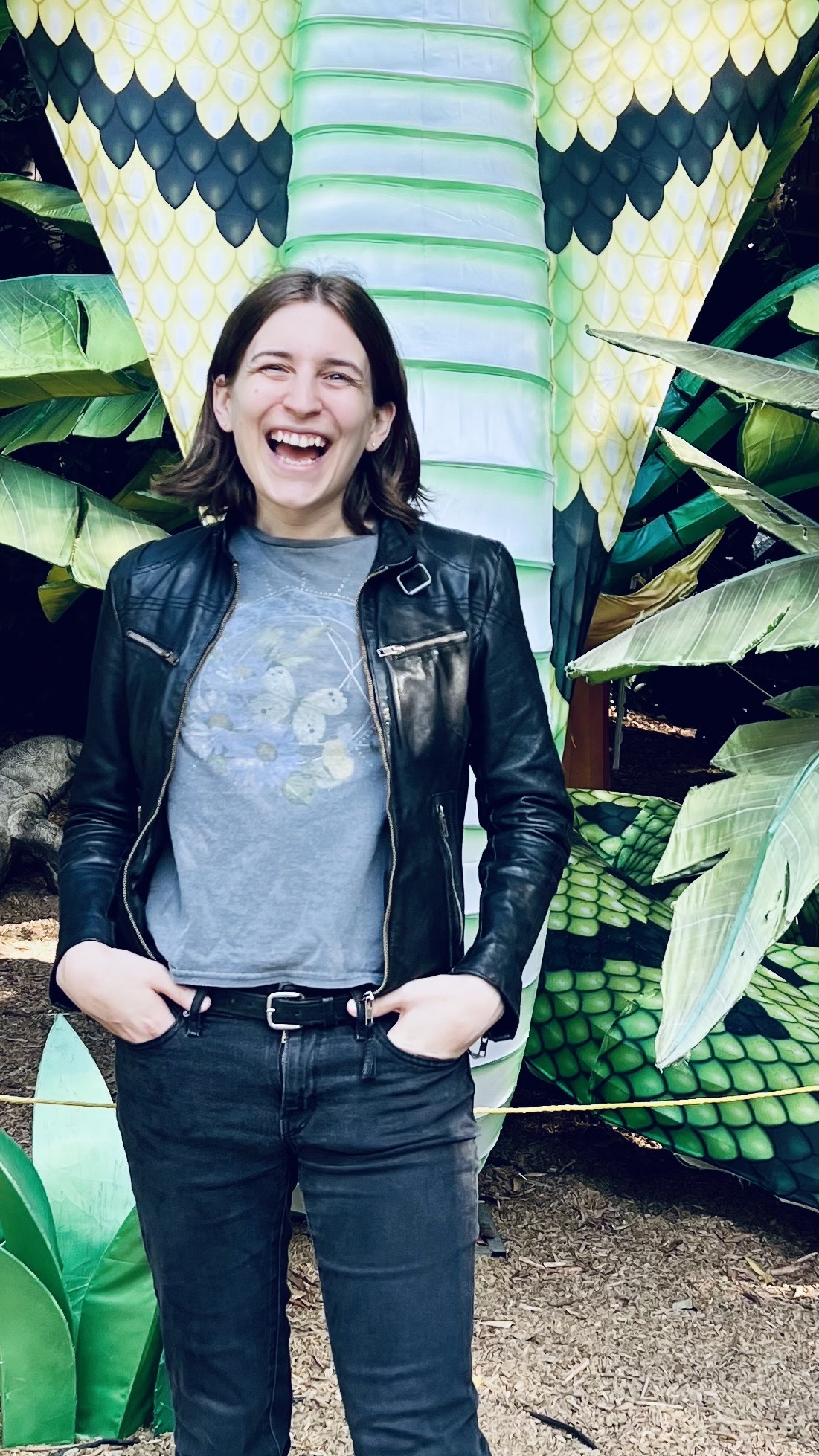
Leanna Keyes is a multidisciplinary creator and co-founder of Transcend Streaming, her theater-focused media production company. Selected Off-Broadway: Director of Photography for The Orchard, starring Mikhail Baryshnikov and Jessica Hecht. Video Associate for Our Class @ Brooklyn Academy of Music. Other design work: Room, Room, Room… for Friend of Friend @ The Brick. Baby Foot @ Soho Rep. Through Transcend, she has created archival recordings for hundreds of non-profit and indie plays. Her personal creative practice centers queer and trans people past, present, and future. In audio: producer of 17+ Play On Podcasts, fully designed audio versions of Shakespeare’s works through Next Chapter Podcasts. In print: co-editor of The Methuen Drama Book of Trans Plays, volumes 1, 2, and 3. Volume 1 contains her most famous play, Doctor Voynich and Her Children, a post-Roe v. Wade abortion family drama.
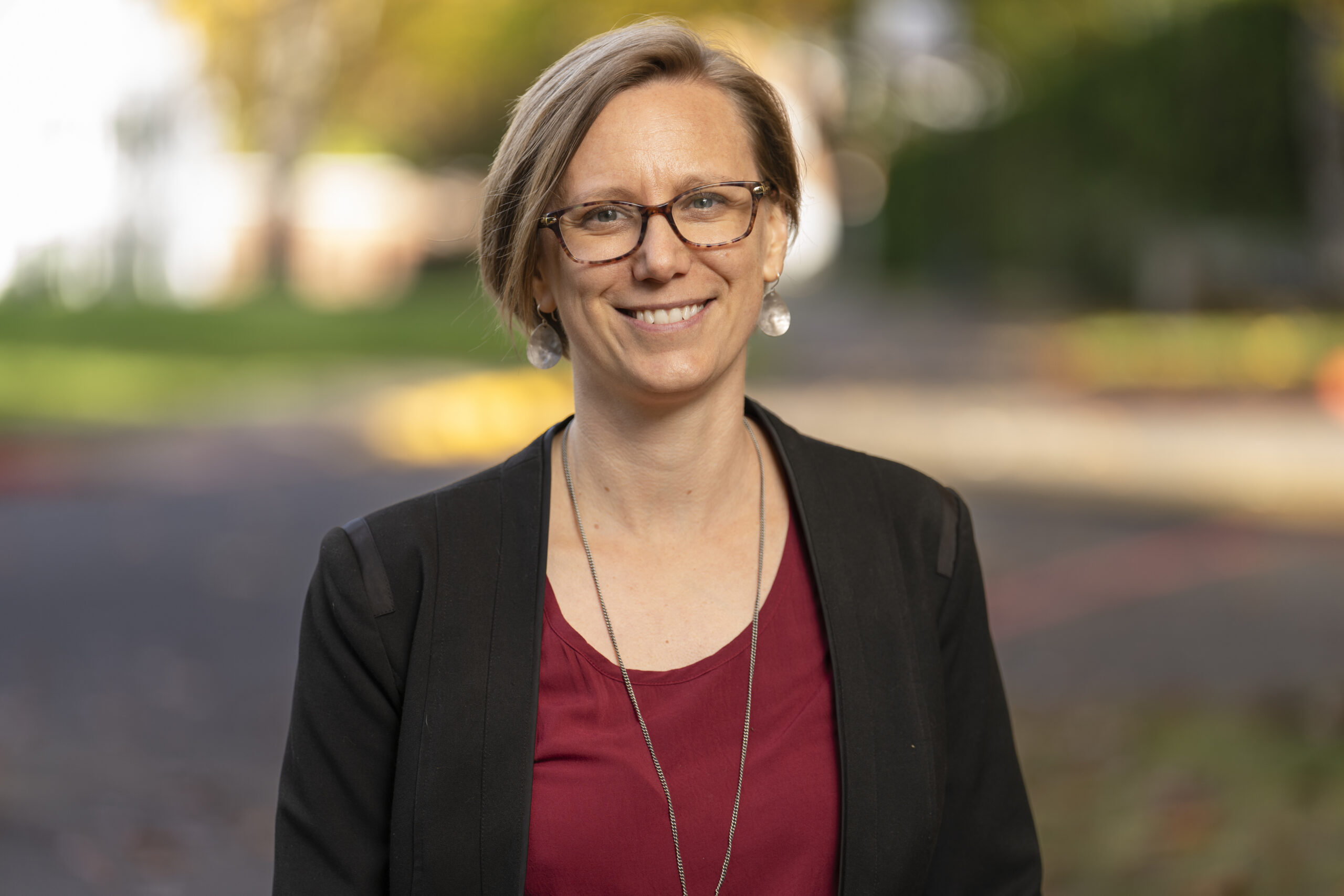
Lindsey Mantoan is the Ronni Lacroute Chair in Theatre Arts and an Associate Professor at Linfield University. She is the author of It’s all Happening: How Musical Theatre does High School (Oxford UP) and War as Performance: Conflict in Iraq and Political Theatricality (Palgrave 2018), and co-editor of six books, including three volumes of The Methuen Drama Book of Trans Plays, Troubling Traditions: Canonicity, Theatre, and Performance in the US (Routledge 2022, winner of the ATHE Award for Excellence in Editing), and Performance in a Militarized Culture (Routledge 2017). As a scholar-artist, Lindsey teaches courses on musical theater, theater history, queer theory, contemporary American drama, political and protest performance, and fairy tales; she also directs musicals, plays, and readings, and is an Intimacy Director. At Linfield, she has directed Macbeth, The Lightning Thief: The Percy Jackson Musical, The Wolves, Firebringer, Heathers the Musical, She Kills Monsters, and an original adaptation of Trojan Women.
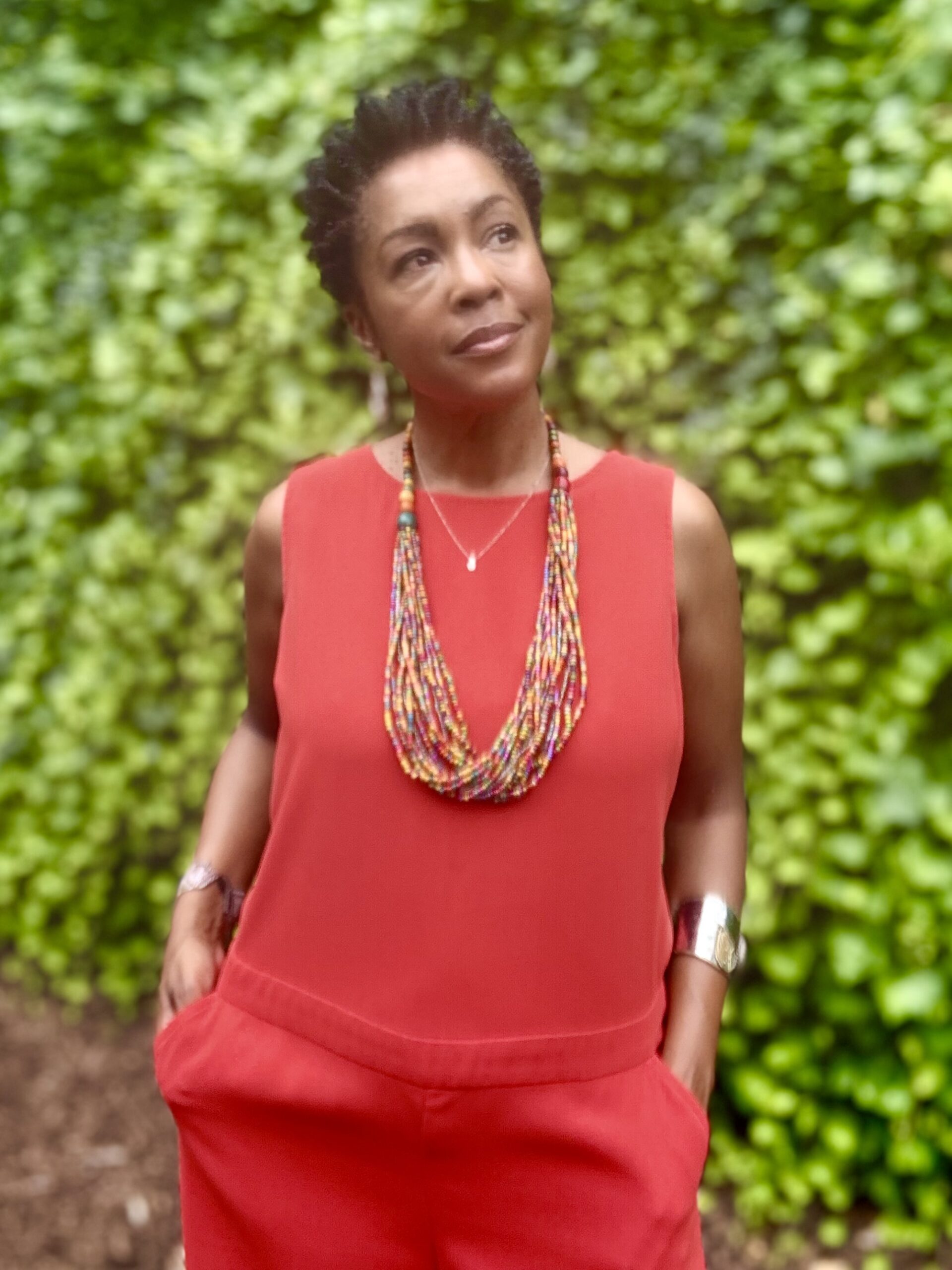
Angela Farr Schiller is an Emmy Award–winning director and executive producer, dramaturg, editor, and educator whose work bridges theatre, musical theatre, performance studies, publishing, and public humanities. She is Associate Professor of Musical Theatre and Africana Studies at Boston Conservatory at Berklee and serves as Dramaturg-in-Residence for Working Title Playwrights in Atlanta, GA. Angela is co-editor of The Methuen Drama Book of Trans Plays trilogy, recipient of the 2026 Elliott Hayes Award for Outstanding Achievement in Dramaturgy, and co-editor of the award-winning collection Troubling Traditions: Canonicity, Theatre, and Performance in the United States. Her work spans new play development, publishing, exhibitions, and public humanities initiatives, including collaborations with the Oregon Shakespeare Festival, Harvard University, and the Boston Symphony Orchestra. Across her work, dramaturgy functions as a creative artistry: shaping encounters, illuminating connections, and creating new possibilities for how audiences, artists, and communities understand the world around them.